 +39
+39 info@air-fashion.com
 Enter
Enter

SUMMER 2026 TRENDS: FRUGAL CHIC AS THE NEW AESTHETIC OF MINDFUL STYLE — LUXURY WITHOUT EXCESS
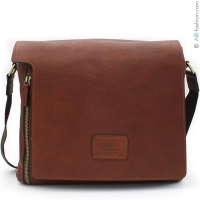 Cuoieria Fiorentina |
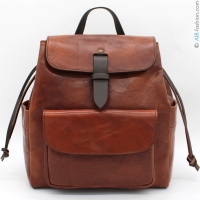 CHIARUGI |
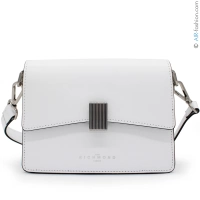 John Richmond |
 M*BRC |
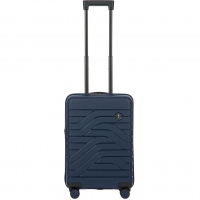 BRIC'S BY |
|
Summer 2026 reads frugal chic in a new way: less “hype,” more thoughtfully built essentials. The focus is on the philosophy of conscious consumption, clean silhouettes, calm shades, tactile materials, and accessories that look expensive because of their shape and craftsmanship—not because of logos.
Let’s revisit the origins of this style and break down the key summer 2026 trends through a frugal chic lens—plus how to wear them in real life. Frugal chic didn’t appear overnight, and it doesn’t belong to a single designer. It’s more like a “long wave”—a style that has grown up alongside society, moving from a rebellion against consumerism to a new, calmer form of luxury without excess. 1970s–80s: anti-consumerism and thoughtful elegance The roots of this aesthetic trace back to a time when, against the backdrop of youth protest movements and pushback against overconsumption, a new kind of mindful simplicity emerged—practical, honest, and functional. Scandinavian design nurtured the habit of choosing form and comfort over decoration, while Japanese minimalism (Comme des Garçons, Yohji Yamamoto) added an intellectual edge: strict lines, complexity without embellishment, meaning instead of sparkle.
This is where the core principle took hold: style is taste and thought—not a display of money. ↓ 1990s: minimalism and “anti-logo” A major turning point came with the rejection of loud branding: the logo stopped being the main argument. This decade shaped the visual code of future frugal chic: what looks truly expensive is what’s well made—and what doesn’t shout its price. ↓ 2008–2012: crisis and a new kind of restraint The global financial crisis changed more than budgets—it shifted the cultural mood. Flashy luxury began to feel out of place, and the psychological foundation of frugal chic became clear: looking polished and confident, without being provocative or showy. ↓ 2015–2019: sustainability and mindful consumption Next, the style gained an ethical backbone. Slow fashion, conversations about overproduction, and a move away from impulse shopping strengthened the idea of choosing fewer, better things. ↓ 2022–2026: the mature formula — “smart elegance without excess” Against a backdrop of uncertainty, hype fatigue, and oversaturation, “logomania” loses ground, and people begin to value pieces that don’t feel dated after a single season. This is how the mature version of frugal chic emerges: smart elegance without excess—quality materials, a well-considered silhouette, calm shades, and accessories that look expensive not because of the brand, but because of shape and craftsmanship.
Signature elements of frugal chic 1 - Visually: polished, but without “luxury theatrics” - clean lines - a neutral palette - simple shapes - no loud, attention-grabbing details - pieces look “expensive” without displaying status The key difference: there’s no sense of elitism. 2 - Materials: natural, without rare or overly “precious” effects - cotton - linen - wool - smooth leather - matte textures - no exotic leathers - no complex haute couture construction - no excessive embellishment 3 - Bags in frugal chic style You can recognize them by: - a minimalist shape - soft or gently structured construction - no logo (or a very small, barely noticeable one) - basic colors (black, caramel, gray, milky white, cream) ! No heavy chains, rhinestones, or hyper-glam.
Three bags for a Frugal Chic wardrobe Why buy a dozen bags when a few carefully chosen ones are enough? In the logic of frugal chic, an accessory shouldn’t be “for one season”: it should work for years, pair easily with different styles, and feel appropriate in any situation. That’s why we selected three versatile bags that support your look and keep every outfit looking polished—without unnecessary showiness. 1) Drawstring pouch bag (pouch / drawstring bag)
The drawstring pouch has roots in antiquity: similar little bags were used to hold coins, fragrances, small personal items, and jewelry. Today, this shape returns in a modern version—soft, minimal, and visually very “luxurious.” In 2026, two variations feel especially current: - omiyage style: a soft bag with two handles of different lengths, where one slips through the other to create a beautiful knot that also works as a closure; - the classic pouch: a drawstring silhouette with a strap that’s easy to carry on the wrist or in the hand. Why it’s frugal chic: the pouch looks modern and expensive thanks to its shape and texture, doesn’t need loud details, and fits effortlessly into both minimalism and more feminine outfits. Materials: - solid colors and smooth surfaces: silk, satin, a dense matte fabric - smooth leather (no embossing, no flashy hardware) Colors: black, milky white, gray, caramel, deep burgundy—or one accent color against a neutral wardrobe base.
2) Soft tote or hobo (slouchy tote / hobo)
A soft tote is practicality without compromising style. The 2026 version is roomy and pliable—somewhat like a shopper, but noticeably more refined. Its biggest advantage is function: without a rigid frame and with well-balanced proportions, it fits everything you need—from a laptop and documents to a makeup pouch and even a change of shoes—while still avoiding a heavy, overstuffed look. The shape can vary: square, rectangular, trapezoid, or with a subtle sculpted cut at the top (a discreet nod to contemporary design). The hobo option is more relaxed: a soft line worn on the shoulder, with that lived-in feel—like the bag has already become part of your routine.
Key details to look for: - a solid, neutral color. Beyond classic black, white, milky tones, beige, and gray, the season favors complex, deep shades: chocolate, mustard, khaki, anthracite, “wet asphalt,” and burgundy. - a soft, high-quality material. Prioritize leather and suede: they hold their shape better and last longer with proper care. For frugal chic, this matters—your bag should survive seasons, not a single trend. Minimal decoration is fine, but only to the extent that it doesn’t ruin versatility: keep details to a minimum. Unlike a more dressy pouch/knot bag often chosen for evening looks, the tote is an everyday foundation. Overly bright colors, busy prints, or too much embellishment make it feel “one-season only.” The frugal chic rule: let the bag speak through quality and shape.
3) Oversized clutch (day clutch)
The clutch is no longer just an evening accessory—in 2026 it confidently moves into daytime dressing, especially within frugal chic, where one piece should cover multiple scenarios. Two main shapes dominate. The first is long and flat, like an envelope: strict, graphic, and perfect with minimalist outfits. The second is soft and voluminous, pillow-like: often with quilting or gathered sides, adding a relaxed yet expensive-looking texture. Material options are broad, but the most practical and versatile remain leather and suede—they look elevated and last longer with proper care. Choose color based on where you plan to wear it: - base shades: black, milky white, navy, graphite, chocolate, white; - accent shades: red, olive, mustard (when you want a single statement detail on an otherwise quiet look). Details that are acceptable (and on trend): - a large magnetic closure; - a vintage-style clasp; - contrast stitching along the edges; - embossed patterning or a subtle texture. Sometimes a clutch comes with a thin metal chain so you can wear it on the shoulder. The main frugal chic rule stays the same: hardware and details shouldn’t dominate—only gently highlight the shape, with restraint and intelligence.
In the end, frugal chic in summer 2026 is not about limitation—it’s about freedom: fewer chaotic purchases, more intentional choices. When your wardrobe contains a few truly “working” accessories, you stop constantly searching for replacements or chasing micro-trends—style starts to assemble itself. By choosing quality materials, calm shades, and minimal details, you invest not in a “bag of the season,” but in a lasting aesthetic habit: looking modern, appropriate, and polished—without excess. |